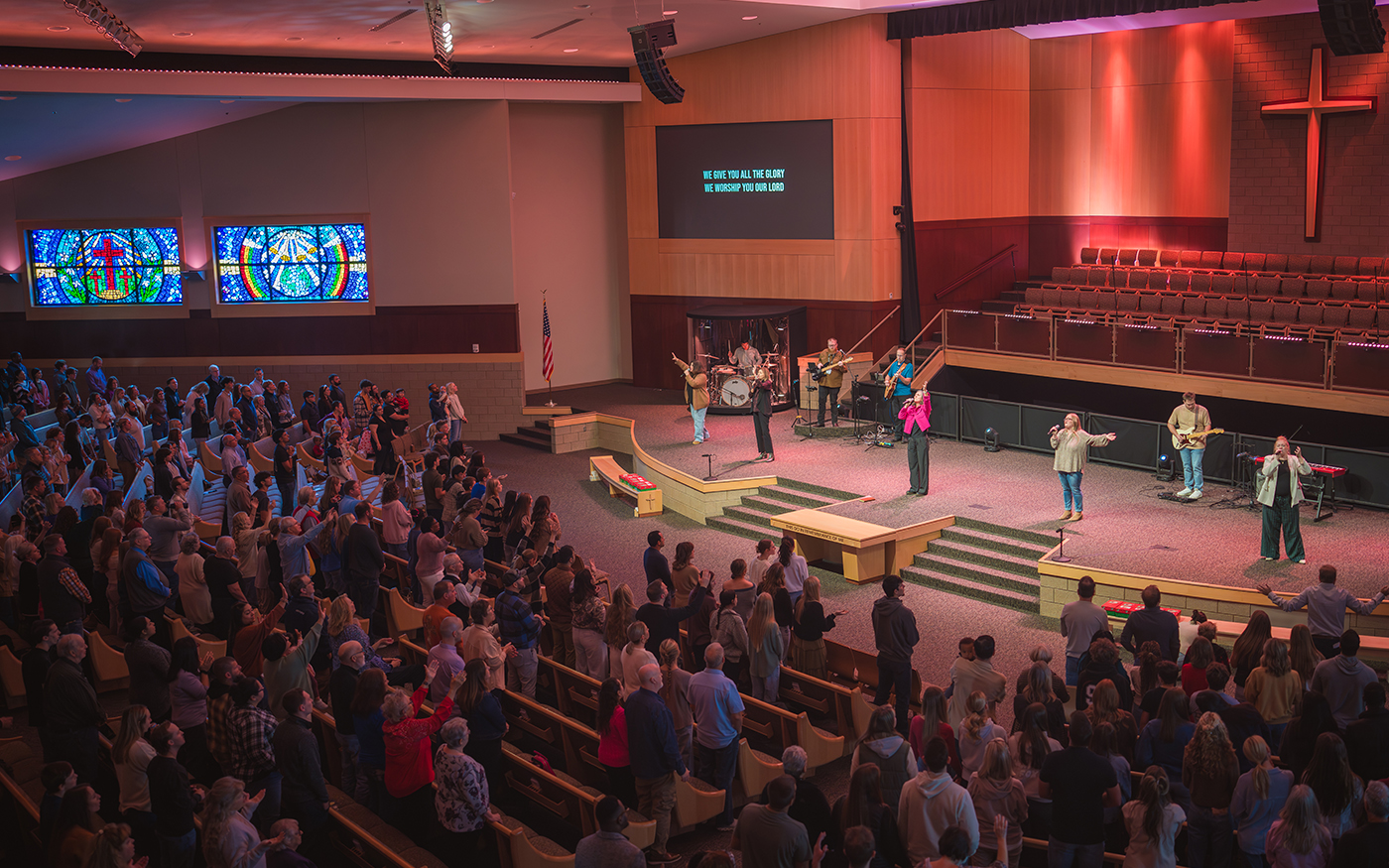
Honoring Volunteers
Editor's Note: April is National Volunteer Month
Iowa’s New Hope Assembly had a John Deere lawn mower on display in its lobby in mid-April.
That wasn’t a promotion for the company, but a way to spotlight its lawn-and-landscape team, one of numerous volunteer-led ministries at the suburban Des Moines church.
“We like to get people involved in some kind of ministry,” says Senior Pastor Jeff W. Hill. “Because if they do, they will take ownership in the mission of the church and get more involved.
“If we go through all our ministries, such as mechanical, security, worship team, and so on, we have hundreds of volunteers serving. We estimate 70 percent of our people are involved in some capacity.”
April is designated as National Volunteer Month, also recognized in the Assemblies of God, with many churches honoring volunteers for their devoted service via special recognitions, dinners, or other events.
“We’re a volunteer-driven movement,” says James T. Bradford, pastor of Central AG, located in Springfield, Missouri. “We have about 38,000 pastors and three million adherents, so credentialed ministers are less than 1.5 percent of our movement.”
The number of volunteers carrying out duties every Sunday at Central is similar to New Hope. The Springfield church has a pair of services at 9 and 10:45, with children and adults splitting their time between classes and worship time.
When adding up teachers for children, youth, and adults; greeters and ushers; worship ministry; and security team volunteers, the number is at least 250—and maybe more—says Bradford, former AG general secretary.
“A few paid people can’t cover all the bases,” Bradford says. “Volunteers make us strong. We have an adage here: not everybody is a pastor, but everybody is a minister. Everybody has a ministry and their contribution lets us minister to all ages.
“We need volunteers helping in the nursery; otherwise, we couldn’t take care of families with babies,” he adds. “We need preschool volunteers helping three- and four-year-olds begin to learn about Scripture and the love of God. In order to pay 250 people every Sunday—there’s no way we could afford that.”
Volunteerism is built into the DNA of New Hope, says James L. Weaver, the founding pastor who remained on staff after stepping away from preaching.
After serving as an associate pastor in two other places, Weaver and a small core group launched the Urbandale church in 1990. A bit intimidated by the task ahead of him, Weaver went on a four-day fast.
In the midst of that, the new pastor came up with a vision and mission statement: Heaven is our vision, and our mission is to take as many people to Heaven as possible.
After drafting that statement, Weaver prayed and asked Jesus how he could make this church about Him, not the pastor.
The thought that went through his mind: “People have keys to their own house and clean them.”
When Hill first visited the church in 1997 as a candidate for youth pastor, he was amazed by how many people were there on a Friday afternoon. An army of volunteers were cleaning the building, mowing the lawn, and making repairs.
Hill knew of other churches, some even smaller, that had paid staff members handling those jobs.
“I found out that everyone at New Hope gets a key when they’re serving,” says Hill, who later became an associate pastor before taking the senior pastorate in 2018. “It gives them the feeling that ‘this is my house’; it gives them ownership.”
After beginning with a handful of adherents, the Iowa church sees an average of 1,600 to 1,700 on a Sunday. Yet both of its buildings, which cover 160,000 square feet, are cleaned by volunteers. About 100 share that responsibility every week.
Outside, mowing, planting, and the rose garden are also handled by volunteers.
The church treasurer who has overseen financial records for 35 years also does that for no charge.
When New Hope needed to subdivide its nursery this year to give nursing mothers more space, volunteers handled all of the extensive remodeling.
“It’s their church,” says Weaver, adding that when people understand they’re part of a family with responsibilities, that transfers to a spiritual responsibility to the Lord.
Whether it is ushering, cleaning, or another task, handling duties gives people “buy-in” and makes them want to give and show up, the founding pastor says.
“We continue the culture of church ownership by highlighting areas of serving,” Hill says. “We set up tables in the lobby occasionally to make people aware of them. We also have a ministry fair every two years where people can learn more about what’s involved.”
Central AG takes volunteers seriously, including developing “Best Practices” guidelines for staff members. It reviews working with volunteers, including educating, training, and equipping them for their tasks.
The church also recognizes them; their most recent Volunteer Celebration saw some 400 people come for a dinner, games, and a motivational talk.
In his remarks, Mike Santiago, pastor of multi-site Focus Church in the Raleigh, North Carolina area, reminded guests: “We don’t have to do this, we get to do this.”
“Volunteers shape the culture of the church,” Bradford says. “They contribute to its health. The more volunteers you have, the more connection points you have for people coming in.”
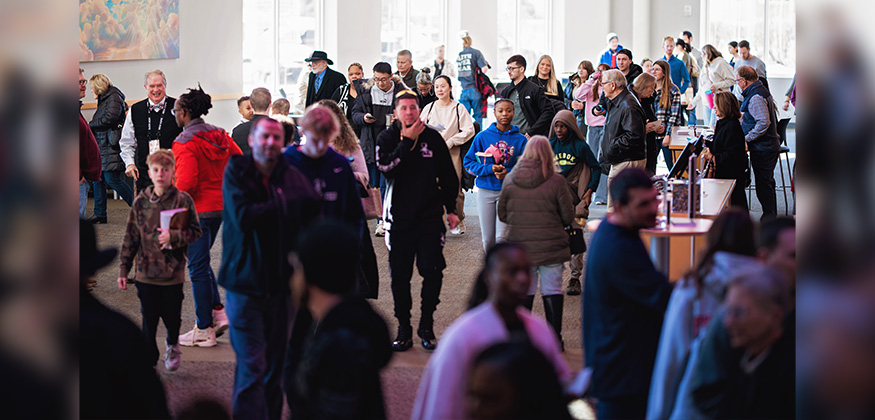
IMAGES: New Hope Assembly in Des Moines.